Single-Tooth Implants
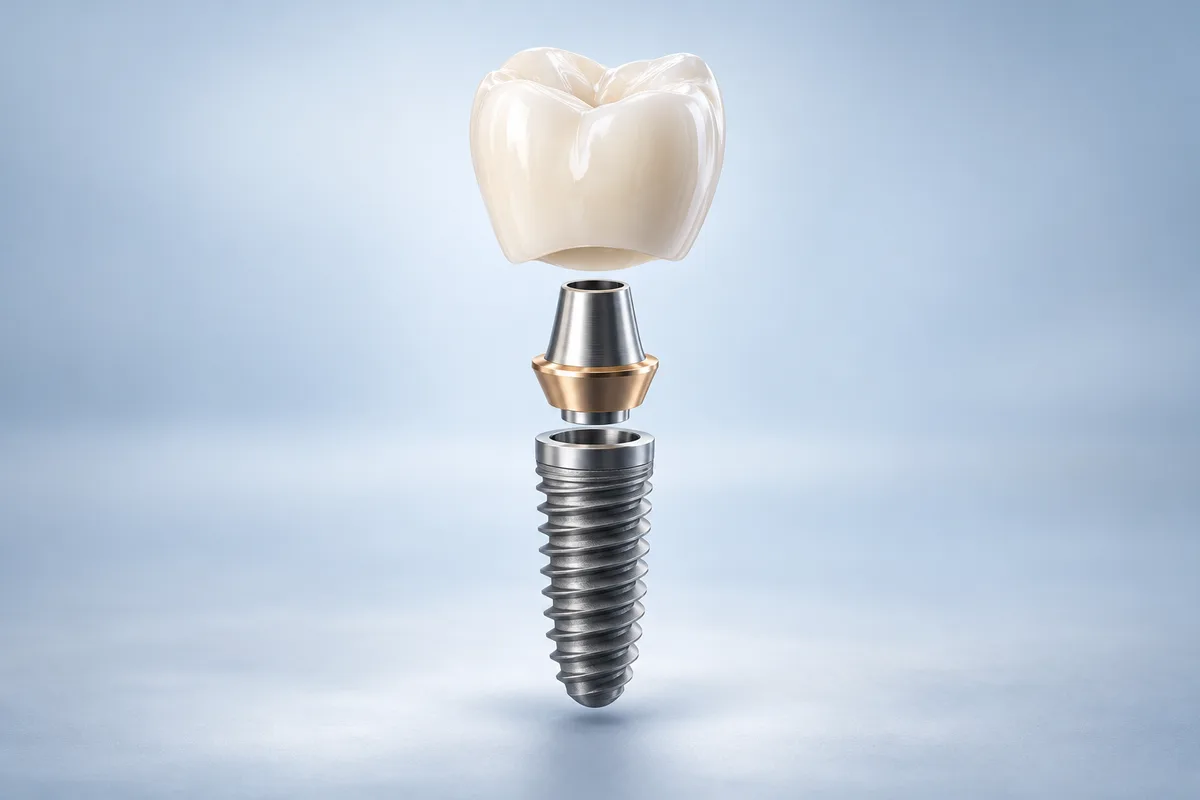
When one tooth is missing, an implant can support an individual crown without relying on neighboring teeth for support.
The final restoration is designed to restore function while complementing the surrounding teeth.

A natural-looking, long-term solution for missing teeth.
Missing teeth can affect more than the appearance of your smile. They can also influence chewing, comfort, bite stability, and the health of surrounding teeth.
Dental implants provide a stable foundation for replacing missing teeth and can be used for a single tooth, several teeth, or as part of a more comprehensive restorative plan.
At our practice, implant treatment is carefully planned around your individual anatomy, oral health, function, and long-term goals.
Dr. Purohit provides treatment from implant placement through the final restoration, allowing each stage of care to be coordinated with the final result in mind.
Digital imaging and detailed treatment planning may be used to evaluate bone, surrounding structures, implant position, bite, and restorative needs before treatment begins.
The goal is not simply to place an implant—it is to create a replacement tooth that functions comfortably and blends naturally with your smile.
When one tooth is missing, an implant can support an individual crown without relying on neighboring teeth for support.
The final restoration is designed to restore function while complementing the surrounding teeth.
Implants can also be used to replace several missing teeth and may support bridges or other restorations depending on the patient's individual needs.
Treatment planning considers the number and position of missing teeth, available bone, bite, and long-term function.
For selected patients, dental implants may be used to provide additional support and stability for removable or fixed tooth-replacement options.
The appropriate approach depends on anatomy, oral health, functional needs, and treatment goals.
Implant treatment is not one-size-fits-all.
Planning may include:
Our philosophy: diagnosis and planning first, procedure second.